
Having no hot water in your shower or no Water In Shower but sinks work can be really annoying but don’t panic. This is a common issue and it’s usually easy to remedy.
So if you’re experiencing the frustration of not having water coming out of your shower, while the sinks are working fine, you’ve come to the right place!
Read on for tips to get your shower back up and running again quickly.
If you experience a situation where there is no water coming out of the shower but the sinks are functioning properly, it could be due to a clogged aerator or broken pipe. You should first check if any of the shutoff valves on either side of the wall have been closed and if they are open, then check for any blockages in the pipes connected to your shower. If this does not solve your problem you may need professional help as a plumber can inspect for more complex issues such as blocked drains or faulty plumbing installations.
Contents
Why is there no water in my shower only?
If there is no water in your shower but the sinks are fine, the problem is usually isolated to the shower plumbing rather than the main water supply. A common cause is a clogged or partially blocked pipe, where mineral buildup or debris restricts water flow to the shower only. Homeowners may report the shower not working, no water in shower, or even only hot water coming out of shower, depending on where the blockage occurs. In other cases, the issue may even get as complicated and reported variously as no hot water in shower, shower not getting hot, or shower not hot enough, even though the sink works normally.
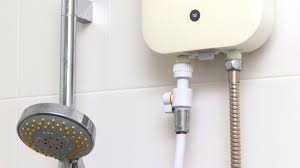
Another possible cause is a fault with the heating system or shower unit itself. If you have an electric shower, such as a Mira electric shower with no hot water, the heating element, thermal cut-out, or internal filter may have failed, leading to hot water not working in shower or not getting hot water in shower at all. Problems with mixing valves, shut-off valves, or worn fixtures can also prevent proper temperature control, leaving homeowners wondering why their shower is not getting hot even when water flows. If you’re dealing with an electric shower not working or persistent issues like shower not hot enough, and basic checks don’t resolve it, contacting a professional plumber or qualified electrician is the safest way to diagnose and fix the underlying problem.
What are the Causes of No Water in Shower Even When Sinks Work:
Blocked or Faulty Diverter Valve
One of the most common reasons for no water in the shower but sinks are fine is a blocked or defective diverter valve. The diverter valve controls whether water flows to the tub spout or up to the showerhead. When it becomes clogged with mineral deposits or worn out over time, it may prevent water from reaching the shower altogether—while sinks and toilets continue to work normally. This often leads homeowners to think the shower is not working, even though the rest of the plumbing appears fine.
Hot Water Heater or Heating System Problems
If you’re dealing with no hot water in the shower or the shower not getting hot, the issue may lie with your hot water heater or electric shower unit. A malfunctioning heater, failed heating element, or insufficient system pressure can cause hot water not working in the shower, even when hot water flows from sinks. This explains scenarios where the shower not getting hot water but sink does or no hot water in shower but sinks are fine.
Thermostat or Temperature Control Issues
In tankless systems and electric showers, a faulty thermostat can prevent water from heating correctly. When the thermostat fails to regulate temperature, the result is often a shower not hot enough or my shower is not getting hot, even though water pressure seems normal. This is especially common with older electric shower models or units that have overheated and tripped internal safety cut-outs.
Pipe Blockages and Internal Obstructions
If neither the diverter nor heating system is the problem, there may be an obstruction somewhere in the plumbing line leading to the shower. Mineral scale from hard water, sediment buildup, or debris such as hair can restrict flow over time. These blockages can cause no water in shower, low pressure, or inconsistent temperature at the showerhead while other fixtures remain unaffected.
Low Water Pressure
Low water pressure can significantly reduce or completely stop water flow to the shower. Common causes include partially closed shut-off valves, hidden pipe leaks, or issues with the main water line. When pressure drops below a certain level, the shower may stop working altogether—even though sinks still receive water.
Broken or Blocked Showerhead
A clogged or damaged showerhead is an often-overlooked cause of no water in the shower. Mineral deposits can block spray nozzles, restricting flow or stopping it completely. Removing and cleaning the showerhead is a simple first step before assuming larger plumbing issues.
Faulty Shower Valve
A defective shower mixing valve can prevent water from flowing or mixing correctly. This may result in only hot water coming out of shower, cold water only, or no water at all. Faulty valves are a common reason for shower not hot enough complaints and usually require professional repair.
Leaking or Poorly Installed Plumbing
Leaks in the pipes feeding the shower can reduce pressure to the point where water barely flows or stops completely. Similarly, poorly installed plumbing—especially in renovations—can lead to chronic shower not working problems that only affect one fixture.
Troubleshooting Steps for Little or No Water in the Shower
If your shower is not getting enough water or has stopped flowing altogether, a few targeted checks can often identify the problem before calling a plumber.
1. Check Water Supply Valves
Start by confirming that all water supply valves are fully open. Many showers have an accessible shut-off valve either behind an access panel or near the water heater. Make sure the valve is turned completely past any stop points. If water flow is still weak or nonexistent, there may be a secondary valve restricting pressure that also needs to be opened.
2. Inspect for Pressure Loss or Clogs
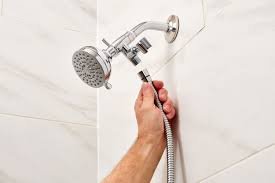
Low water pressure is frequently caused by mineral buildup or debris inside pipes and fixtures. Remove the showerhead and check for sediment or hard-water scale blocking the nozzles. Cleaning the showerhead and any nearby faucet aerators can often restore normal flow. Regularly removing mineral deposits not only improves water pressure but also reduces wasted energy from running water longer than necessary.
3. Test the Diverter Valve
If sinks and tubs work normally but the shower is not working, the diverter valve is a likely culprit. Diverter valves redirect water between the tub spout and showerhead, and over time they can stick due to mineral buildup. A stuck diverter may allow water to flow to sinks while preventing it from reaching the shower.
In many cases, removing the diverter valve and cleaning it thoroughly will restore proper water flow. If cleaning doesn’t help, the valve may need replacement to ensure balanced water pressure across all bathroom fixtures.
4. Check the Shower Faucet and Control Settings
One of the simplest causes is a partially closed or misadjusted shower control. Make sure all shower settings are turned fully to the “open” or “full” position. In thermostatic or pressure-balancing valves, incorrect settings can significantly restrict flow even when other fixtures work normally.
If adjusting the controls improves pressure slightly but not fully, the internal valve components may be worn or clogged.
5. Inspect for Mineral Buildup Inside Pipes and Valves
Hard water can cause mineral deposits to build up inside shower valves, cartridges, and short pipe runs feeding the shower. Unlike sinks, showers often have tighter internal passages, making them more sensitive to scale buildup.
Common blockage sources include:
-
Calcium and limescale deposits
-
Sediment trapped in valve housings
-
Debris lodged behind washers or seals
Light buildup can sometimes be cleared by removing and soaking parts in vinegar. Severe blockages—especially in metal pipes—may require professional tools or valve replacement.
6. Worn Washers or Faulty Internal Valves
A failing washer or pressure-balancing valve can restrict water flow to the shower while allowing normal flow elsewhere. This is especially common in older plumbing systems or homes with aging fixtures.
These issues can be easily remedied with simple DIY fixes such as replacing parts or removing debris from the pipes.
However, if you cannot identify or repair the issue yourself it may be necessary to call a qualified plumber for assistance to ensure that your home’s plumbing system is functioning properly and safely again. Find other solutions to your bathroom problems in our other articles here.