
Contents
- 1 Can Bugs In The Bathroom Get In Through Bathroom Fans?
- 1.1 Can Bugs Enter Through Bathroom Exhaust Fans?
- 1.2 Why Bathroom Exhaust Fans Are Entry Points for Tiny Shower Bugs
- 1.3 What Types of Bugs Come In Through Bathroom Fans?
- 1.4 Tiny Bugs in the Bathroom: Vent Pests vs Drain Bugs
- 1.5 Bugs in Shower Drains vs Bathroom Exhaust Fans
- 1.6 How to Stop Tiny Bugs in the Bathroom From Entering Through Bathroom Fans
- 1.7 Should You Spray Bathroom Bug Spray Into a Bathroom Fan?
- 1.8 Bathroom Design Tips That Help Prevent Bugs in the Bathroom
- 1.9 When to Call a Professional To Check Bugs in the Bathroom
- 1.10 Frequently Asked Questions
Can Bugs In The Bathroom Get In Through Bathroom Fans?
You expect your bathroom to be clean, sealed, and protected from the outdoors. Yet many homeowners are surprised to discover tiny bugs in the bathroom, even when windows stay closed and plumbing seems fine. One of the most overlooked entry points for moisture bugs in bathroom?
The bathroom exhaust fan.
Yes, bugs can get in through bathroom fans but this is not inevitable. With correct installation, proper components, and basic maintenance, bathroom fans can remain effective at moisture control without becoming a pest entry route.
This guide explains why bathroom fans allow bugs in, how to identify the source correctly, and what actually works for long-term bathroom pest control.
Can Bugs Enter Through Bathroom Exhaust Fans?
Yes, bugs can enter through a bathroom exhaust fan if the exterior vent lacks a backdraft damper, has gaps, or is missing an insect screen.
When these protective features fail, bathroom insects can crawl or fly through the duct and enter the bathroom through the fan opening.
This is most common in older homes, poorly sealed installations, or vents exposed to warm, humid outdoor environments.
Why Bathroom Exhaust Fans Are Entry Points for Tiny Shower Bugs
Every bathroom exhaust fan connects directly to the outdoors, usually through a roof or exterior wall. While this pathway is necessary for removing moisture, it can also act as an unintended access point for insects.
The most common vulnerabilities include:
-
Missing or stuck backdraft dampers
Allows outside air — and insects — to flow inward when the fan is off. -
Cracked or warped exterior vent covers
Plastic covers degrade over time, especially in sun or cold climates. -
Lack of insect screening
Even very small gaps allow insects to pass through. -
Warm, humid exhaust air
Moist air attracts insects, especially flies and roaches during warmer months.
These issues are often invisible from inside the bathroom until bugs begin appearing.
What Types of Bugs Come In Through Bathroom Fans?
Bathroom exhaust fans don’t attract every pest, but they do provide access for insects that seek warmth, moisture, or airflow pathways.
Common Bathroom or shower bugs
-
Flies
-
Cockroaches
-
Gnats
-
Small moths
-
Ants
-
Wasps (occasionally, if vents are wide and unprotected)
Can Mosquitoes Come Through Bathroom Fans?
Yes — but less frequently. Bathroom bugs that fly, such as mosquitoes, usually require:
-
No exterior mesh screen
-
A damper that doesn’t close fully
-
A wide or damaged vent opening
Mosquitoes are less common than crawling insects, which are better at navigating ductwork.
Tiny Bugs in the Bathroom: Vent Pests vs Drain Bugs
Seeing small bugs in the bathroom doesn’t automatically mean they came through the fan. Bathrooms naturally attract insects due to moisture and warmth, so correct identification matters.
Bathroom Bugs Identification: Key Differences
Likely entering through the fan
-
Bugs appear near the ceiling or fan grille
-
Insects show up sporadically, often at night
-
Drafts felt from the fan when it’s off
Likely coming from drains or moisture
-
Bugs in shower drain or sink area
-
Tiny flies in bathroom hovering near water
-
Bugs that come out of drains after showers
-
Insects clustering near baseboards or pipes
Poor ventilation worsens both problems, which is why a properly functioning fan is essential.
Bugs in Shower Drains vs Bathroom Exhaust Fans
Shower bugs are often confused with vent-related pests. Drain insects typically breed inside organic buildup within pipes, while vent pests enter from outside.
Drain-related signs
-
Bugs appear after running water
-
Insects gather near drains or tubs
-
Persistent infestations despite clean surfaces
Vent-related signs
-
Bugs near the fan opening
-
Entry occurs seasonally
-
Insects appear individually rather than in clusters
Treating the wrong source leads to repeat infestations.
How to Stop Tiny Bugs in the Bathroom From Entering Through Bathroom Fans
1. Install or Replace a Backdraft Damper
A spring-loaded damper seals the duct automatically when the fan is off, blocking insects and cold air.
Tip: Universal bathroom exhaust fan dampers fit most standard ducts.
2. Upgrade to a Screened Metal Exterior Vent Cover
Choose vent covers that:
-
Close tightly
-
Include integrated insect screening
-
Are made from aluminum or galvanized steel
Plastic covers degrade and warp over time.
3. Add Fine Aluminum Mesh for Extra Protection
For added security, fine mesh blocks very tiny bugs in the bathroom without restricting airflow when properly installed.
4. Seal Gaps Around the Fan Housing
Remove the fan grille and inspect for:
-
Gaps between drywall and housing
-
Daylight visible around the duct
Seal using ventilation-rated caulk or foam.
Should You Spray Bathroom Bug Spray Into a Bathroom Fan?
No — never spray insecticide into a bathroom exhaust fan.
Doing so can:
-
Damage the fan motor
-
Circulate chemicals into living space
-
Create fire and electrical hazards
Physical barriers — not chemicals — are the correct solution.
Bathroom Design Tips That Help Prevent Bugs in the Bathroom
-
Use modern fans with built-in dampers
-
Avoid long, twisting duct runs
-
Inspect exterior vent caps twice a year
-
Choose flush-mounted fans for small bathrooms
-
Ensure proper fan sizing for the room
Good ventilation supports both moisture control and bathroom pest control.
When to Call a Professional To Check Bugs in the Bathroom
-
Bugs persist after sealing and screening
-
The fan vents into the attic (code violation)
-
You suspect roaches or structural pests
-
Moisture problems continue despite upgrades
A professional can inspect duct integrity and airflow safely.
Frequently Asked Questions
Can insects really enter through bathroom exhaust fans?
Yes. Without a proper damper and screen, insects can enter through the vent duct.
Are some bathroom fans better at keeping bugs out?
Yes. Modern low-profile fans with integrated dampers offer better protection.
Do screens reduce airflow?
No — when designed for ventilation, airflow remains effective.
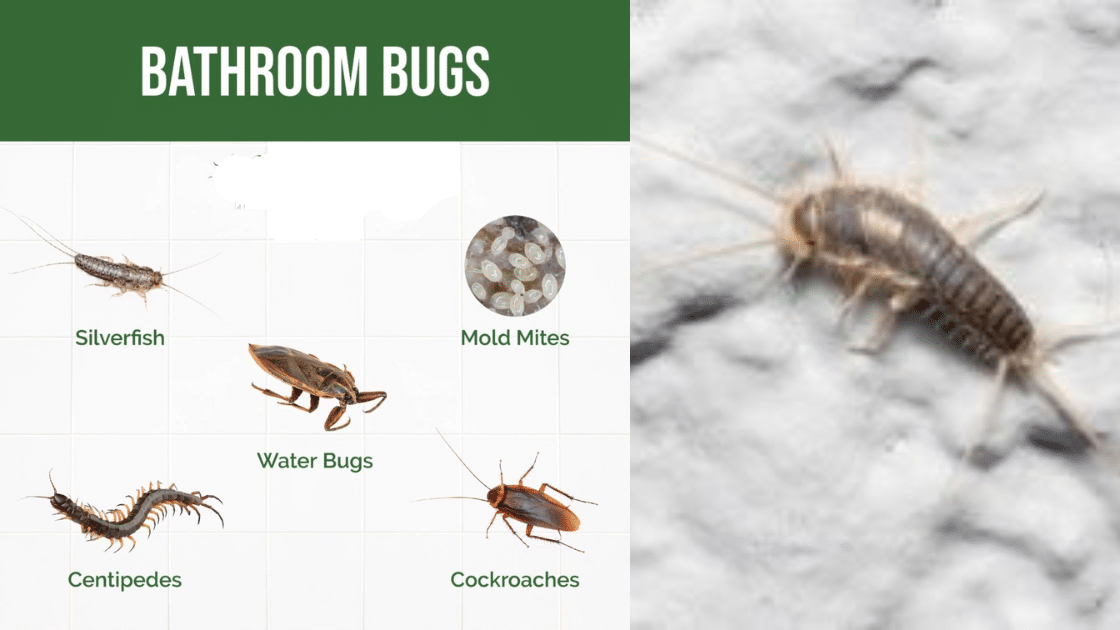
Finally, here is a video of 15 common Bugs You Might Find In The Bathroom
Bathroom exhaust fans can allow tiny bugs in bathroom into your home but only when critical details are overlooked.
With the right dampers, vent covers, and sealing, your bathroom can remain dry, fresh, and pest free.
A well-designed bathroom should never double as an entry point for insects.